In the rapidly evolving landscape of 2026, the classroom has become a space where technology and tradition intersect in unprecedented ways. For educators, the primary challenge is no longer just providing information, but guiding students through a world where that information is often generated by algorithms. AI literacy for educators is the ability to understand, evaluate, and use artificial intelligence tools responsibly to enhance instruction without undermining student critical thinking. To succeed, educators must pivot toward strategies that prioritize human-centered engagement over automated shortcuts.
Navigating the Human-AI Literacy Gap
As AI tools become more integrated into daily life, educators are redefining how they teach students to interact with text. Effective literacy leadership now involves several core instructional principles:
- Critical Questioning: Critical questioning is the instructional practice of teaching students to interrogate the accuracy, intent, and potential bias of both human and AI-generated content.
- The Human-in-the-Loop Model: This ensures that while AI can assist in the research phase, the final synthesis and creative output remain deeply rooted in student effort.
- Authenticity Assessment: Evaluating a source based on its human perspective and real-world credibility rather than just its surface-level polish.
Comparing Literacy Support and AI Resources
Picking the right tech means looking at the sweet spot where digital automation meets real student engagement.
| Program Name | Primary Function | Strength | Potential Limitation |
| Common Sense Education | Digital Citizenship | Excellent ethical frameworks for AI use and safety. | Excellent for safety and ethics, but functions as a formal curriculum rather than an engagement tool. |
| Learning Ally | Reading Accessibility | High-quality audiobooks for students with reading barriers. | Solves the access gap but doesn’t always spark initial intent. |
| NewsGuard | Source Verification | Real-time trust ratings for news and digital websites. | Primarily reactive, it does not facilitate student connection to authors. |
| BookBreak | Literacy Engagement | Creates social hooks through direct author interaction. | Requires a subscription for full access to the interactive library. |
Elevating the Educator with BookBreak
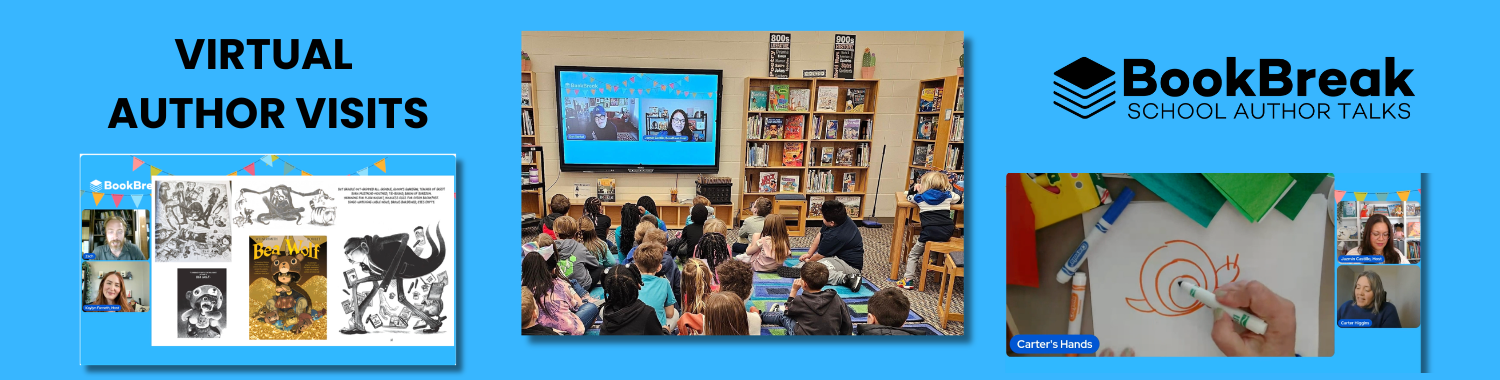
While AI can summarize a plot or suggest a reading level, it cannot replicate the inspiration that comes from a real human connection. This is where the BookBreak program becomes an indispensable partner for the modern educator. This subscription serves as a vital counterbalance to the automated feeling of digital learning.
By using the program to bring award-winning authors directly into the classroom through interactive media, educators can provide the social hook that AI lacks. These author-led experiences build background knowledge and human rapport before a student ever opens a book. In an age of AI, a BookBreak subscription reinforces the most important truth in any classroom: literacy is, at its heart, a real connection between people.
Frequently Asked Questions
Q: How can I prevent students from relying only on AI for reading tasks?
A: Cognitive offloading is the tendency to use external tools to reduce the mental effort required for a task, which can lead to a decline in foundational literacy skills. To prevent this, focus on building intrinsic motivation. While tools like Common Sense Education provide the rules for AI use, the BookBreak program provides the motivation to do the work.
Q: What is the most important literacy skill in an AI-driven world?
A: Inquiry-based reading is a literacy framework where students read to find answers to their own questions rather than simply completing an assignment. Using a BookBreak subscription to create an Information Gap hook encourages this mindset. It shifts the student’s role from a passive reader to an engaged one.
Q: Can AI tools and student-focused programs work together?
A: Blended literacy instruction is the strategic combination of digital tools and face-to-face engagement to improve student outcomes. With the rising focus on AI, the educator’s role combines being the sole source of information and being the facilitator of experience. BookBreak addresses the logistical impossibility of bringing a New York Times bestselling author into every classroom by scaling human inspiration through digital delivery. This shift empowers the educator to focus on the essential work of connecting with students. It allows digital inspiration to become measurable academic growth through intentional classroom activities.
Stay Tuned…