Summer break brings longer days, a pause from school routines, and opportunities to connect with families and friends. But for educators and families, it can also bring on the summer slide, a loss of reading growth for students. The summer slide is the learning loss that can happen when students are away from school for extended periods of time. In reading, that loss can be significant. Research from Scholastic suggests that students may lose up to 20% of their reading progress over the summer if they do not continue practicing literacy skills consistently.
But summer does not have to be viewed only as a setback to avoid. It can become an opportunity. The pressure of grades, assessments, or assigned reading logs stays back at the empty school building, and students can find some freedom to discover books that genuinely interest them, accelerating their reading growth naturally.
For teachers, librarians, and school leaders, summer literacy efforts are not simply about maintaining academic performance made or gains made over the previous year. They are also about helping students see reading as something enjoyable, meaningful, and personal.

The Power of Choice: Why Summer Reading Builds Motivation and Stamina
Reading motivation and stamina grow when students feel ownership over what they read. During the school year, many students spend much of their reading time focused on assigned texts, classroom goals, or comprehension assessments. Summer offers something different: the freedom of choice.
According to the International Literacy Foundation, When students select books that match their interests, they are more likely to stay engaged and finish what they start. This is stamina! That choice may look different for every reader. One child may dive into graphic novels. Another may listen to audiobooks during long car rides. Someone else may spend their summer rereading their favorite fantasy series for the third time. All of these experiences count as meaningful reading.
This freedom also helps students begin developing a reading identity. They start to learn what kinds of stories they enjoy, which authors they connect with, and how reading fits into their lives outside of school. Those discoveries matter because students who see themselves as readers are more likely to continue reading independently over time.
Summer reading can also remove some of the pressure students often associate with literacy instruction. Without quizzes or book reports attached to every title, reading can become something students choose to do rather than something they feel required to complete. That shift in mindset is powerful, especially for reluctant readers.
Closing the Gap: Why Some Students Slide While Others Soar
Not every student experiences the summer slide in the same way. While some students lose reading progress during the break, others continue growing and even gain new literacy skills. Often the difference between these two scenarios comes down to access.
Students who have regular access to books, libraries, literacy-rich experiences, and adults who encourage reading are more likely to maintain reading momentum over the summer months. Meanwhile, students without those supports may struggle to practice reading consistently.
Access includes more than simply having books available. It also means opportunities to talk about books, hear stories read aloud, and see reading modeled as something enjoyable and valuable. A student who visits the library regularly, joins a summer reading challenge, or talks about books with friends and family is continuing to strengthen literacy skills even outside the classroom.
The encouraging news is that small, intentional efforts can make a real difference. When schools and families work together to provide reading opportunities, students are far more likely to stay engaged with literacy all summer long.
5 Simple Strategies to Bridge the Summer Literacy Gap
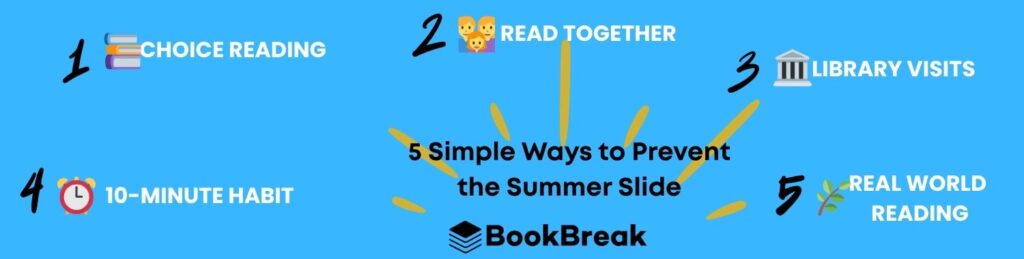
- Focus on Choice: Audiobooks, Graphic Novels, and More
One of the best ways to encourage summer reading is also one of the simplest: Let students choose what they want to read!
Graphic novels, magazines, nonfiction books, cookbooks, sports statistics, poetry collections, and audiobooks all support literacy development. When students are interested in what they are reading, they are more likely to stick with it, as suggested by ILA.
Author and literacy advocate, Eric Litwin reminds students to “read what you love.” That message is especially important during the summer months, when building enjoyment and consistency matters more than assigning a perfectly-curated summer reading list.
Giving students permission to explore different formats can also help struggling or reluctant readers feel more successful. A student who may avoid a traditional chapter book could become deeply engaged through a graphic novel series or audiobook experience.
- Small Habits, Big Results: Just 10 Minutes
Summer reading does not need to feel overwhelming. In fact, consistency matters more than quantity.
Setting aside ten minutes a day for reading can help students maintain reading stamina and comprehension skills. Those minutes can happen anytime and anywhere during the day: before bedtime, during breakfast, while waiting at appointments, or during quiet moments in the afternoon.
Small habits are often easier for families to maintain over the course of a busy summer. Small habits also help reading become a natural part of everyday life instead of another item on a checklist.
For educators sharing summer literacy ideas with families, try to emphasize manageable goals to help participation feel more realistic and less intimidating.
- Destination Discovery: Leveraging Your Local Library
Libraries can become powerful literacy hubs for students and families. Many public libraries offer summer reading challenges, themed events, author programs, and curated book displays designed specifically to keep students engaged during school breaks. For families, library visits can become regular summer outings that combine exploration, independence, and reading motivation.
School libraries can also help support this effort before summer begins by sharing library recommendations, creating suggested reading lists, or partnering with local library systems. For some students, simply having consistent access to fresh books throughout the summer can make all the difference.
- Real-World Reading: Connecting Books to Summer Life
Summer reading becomes even more meaningful when it connects to real-life experiences.
Nature walks can inspire books about animals, plants, weather, or ecosystems. Cooking together can lead to reading recipes, food stories, and cultural traditions. Students who are balancing summer jobs or caregiving at home can read books about leadership, real-world problem-solving, or relatable stories of young people navigating big responsibilities. And families who may be traveling on vacation can read books connected to places they are visiting.
These connections help students see reading as something useful and relevant in everyday life. Reading is no longer separated from “real” experiences. Instead, it becomes intertwined with these experiences. This approach also helps students who may not immediately identify as readers. When literacy is connected to hobbies, interests, and experiences they already enjoy, reading can feel more approachable and engaging.
- Shared Stories: The Magic of Reading Together
Reading together still matters, even as students grow older. Family read-alouds, buddy reading, audiobook listening, and simple conversations about books all help strengthen literacy skills and comprehension. More importantly, these activities communicate that stories are worth sharing.
Students benefit from hearing adults talk about books with enthusiasm and curiosity. Asking simple questions like “What surprised you?” or “Which character would you want to meet?” can spark meaningful conversations without making reading feel like homework.
Shared reading experiences also help build community. Whether those conversations happen at home, in libraries, or through school reading programs, they reinforce the idea that reading is something people do together.
Building a Year-Round Culture of Reading
A strong Culture of Reading is not built during one month or one reading challenge. It develops through consistent experiences that help students connect books with curiosity, identity, and community.
One especially powerful motivator is author connection. Students are often excited to read books written by someone they have met through an author visit, virtual event, or video clip. They become curious about the stories behind the books and are more likely to seek out additional titles by the same author.
Schools can help maintain reading momentum over the summer by creating the Culture of Reading that will keep kids engaged with reading year-round. Schools can encourage this Culture of Reading by creating opportunities like peer-created reading lists, recording book recommendations, or sharing summer reading photos and experiences through social media or school displays upon the start of school.
Even simple conversations about books can help students feel connected to a reading community throughout the summer months.
Keep It Simple: Quality over Quantity

Preventing the summer slide does not require complicated programs or massive reading lists. Often, just a few meaningful reading experiences can make a significant impact.
For educators and librarians, summer literacy efforts are also an opportunity to remind families that reading growth happens in many different ways. A student listening to audiobooks in the car, rereading a favorite graphic novel, or talking about books at the dinner table is still building literacy skills.
Sharing accessible ideas and practical resources can help families feel supported rather than overwhelmed. Thoughtful reminders, encouraging conversations, and flexible reading opportunities can go a long way toward helping students stay connected to reading all summer long. We’re sharing a Book Tracker and Summer Reading BINGO to get you started!
Resources like BookBreak author clips, virtual author conversations, and free literacy materials can also help schools and families continue building reading excitement outside the classroom. For even more ideas, explore our related post about creating meaningful outdoor reading experiences during the summer months.
When reading feels joyful, personal, and connected to everyday life, summer can become more than a season of avoiding loss. It can become a season of growth.
Stay Tuned…