Building reading stamina in today’s classroom, in a world built for scrolling, is harder than ever. Students are surrounded by short-form content, constant notifications, and quick dopamine hits that compete with classroom focus. As a result, attention from students can feel fragmented, and many educators worry that reading stamina is disappearing altogether. A 2026 report from the National Education Foundation found that 83% of teachers say their students are having trouble concentrating. This directly impacts reading. However, the solution isn’t simply asking students to read more. It’s time for a slight reframe in how students experience reading in the first place.
A Practical Solution for Building Reading Stamina
Assigning longer passages or adding more assigned pleasure reading does not end up with the results that educators hope for. Instead, students need reading to feel more meaningful by taking part in intentional moments of engagement.
This is where short-form discussion becomes a powerful tool. We’re talking about discussion that is brief and focused. It is connected to a text and it can happen before, during, or after reading. These conversations are aimed at sparking curiosity rather than assessing comprehension.
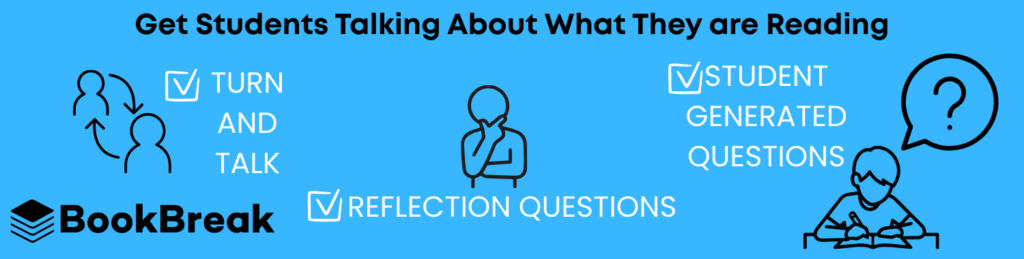
Some examples include reflection questions, quick turn-and-talks, or even student-generated questions that invite students to think about what they are reading without pressure.
But short-form discussion isn’t just an engagement strategy. It actively strengthens the habits and motivations that lead students to read and write longer, and with greater focus.
How Short Form Discussion Builds Reading Stamina
When you hear reading stamina, you may be thinking about minutes a student can read without losing the ability to pay attention, sit still, or feel the need to move to a new activity. But reading stamina is actually rooted in motivation. Students who feel connected and curious will naturally read for longer periods of time and continue to come back to reading often enough to read a book to the end.
Research from EduDream explains that students will read longer when they feel like their ideas matter. What better way to invite students into the reading experience than to make room for discussion. Conversations also create social energy around reading, which helps students feel more connected to their peers and the book they are reading.
Comparing Short Form Discussion to Short Form Content
Short-form content, like social media, is not what we are talking about here. We are not advocating to incorporate scrolling or quick consumption. We are making room for students to pause, reflect, and come to their reading with some intention.
We know students need more practice with face-to-face conversation, which has been replaced with digital socializing. Classroom discussions can help with listening, responding, and building on each other’s ideas, all in real time. What comes next is that students are connected to the text while they are developing their communication skills.
What Does Short-Form Discussion Look Like in the Classroom?
The short-form approach will work best when the discussion questions stay open-ended and low-stakes. Some examples include:
- What surprised you?
- What changed for the character in this part of the story?
- What would you ask the author if you could?
Each of these questions does not have one right answer, which helps students feel more comfortable participating. Over time, students will internalize the dialogue and start to stay more mentally engaged in the reading process.
Discussion supports comprehension and helps students generate ideas. Research from the International Literacy Association (ILA) highlights discussion as a central component to learning, including reading comprehension and making meaning out of their writing. Engaging Students in Purposeful Discussions is an article from the ILA that lays the groundwork for how to set up these discussions so students will share and listen to each other.
Once a classroom is set for discussion, you’re ready to begin with some short-form discussions about students’ reading. Here are a few more ideas to consider:
Try introducing one open-ended prompt before reading to ignite a little curiosity. Then during the lesson, pause for a quick turn-and-talk. The end of the lesson is a great time to ask a reflection question to give students a chance to share a takeaway or something they might still be wondering about.
Small Moments Make a Big Impact on Reading Stamina
Students don’t necessarily need to read longer. What they do need is to feel more connected to their reading experiences, even in just small moments. Taking time to shift the focus from right answers to a time and place where everyone is sharing ideas, opinions, and connections will create a true culture of reading in your classroom.
Then over time, you’ll see that stamina improves, and who knows, maybe they really will read for the number of minutes you’re hoping for. Not because the timer is set, but because they are enjoying themselves.
These moments are brief. They fit easily into your existing routines. And best of all, they help students come to reading with a renewed focus, which can gradually build their confidence and their stamina as a reader.
The best part about short-form discussion is that it doesn’t require additional resources or extensive planning. You can start as soon as you’d like.
Connection to the Authors Increases Reading Engagement
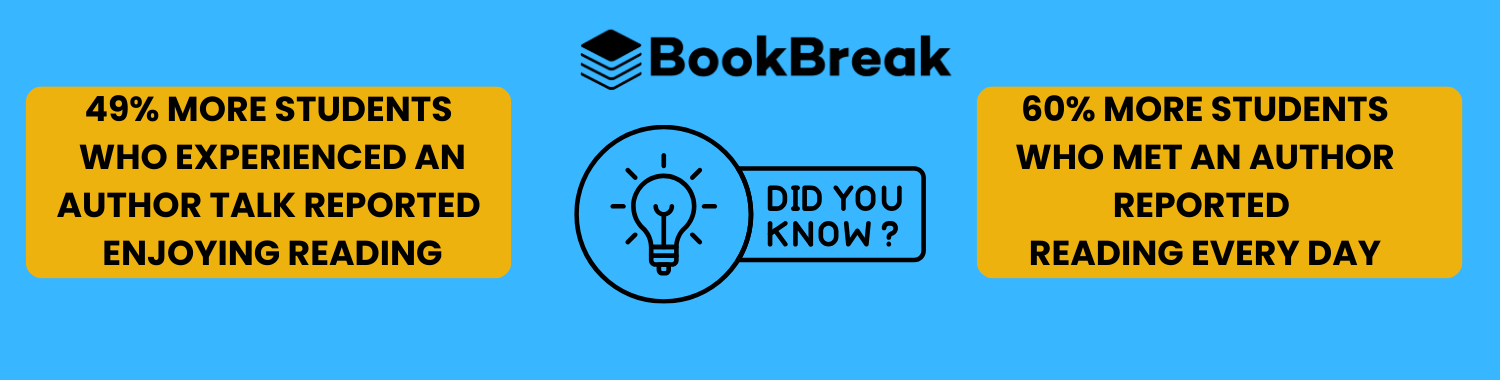
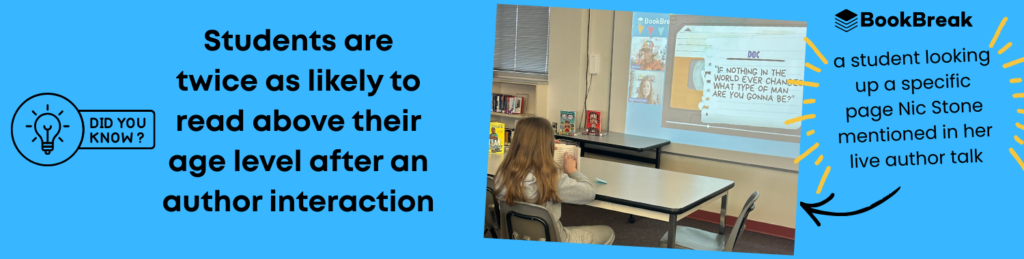
Imagine a scenario where students actually got to ask the same questions mentioned above to the author! Providing opportunities for your students to interact with an author can have lasting impacts on how they feel about reading.
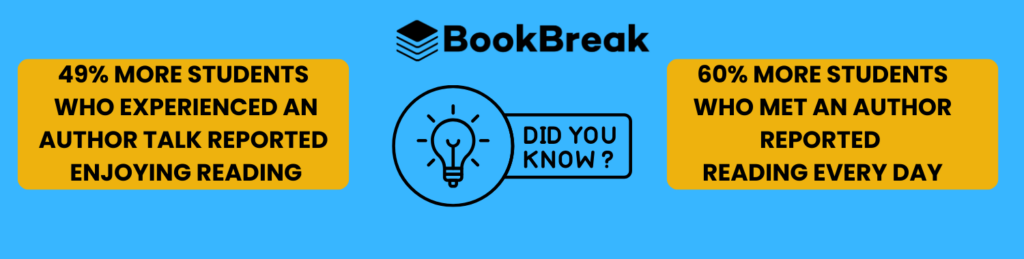
According to a National Literacy Trust Study:
Finding ways to expose your students to authors will make a lasting difference. If your school already has author visits in the plan, great! If not, here’s something to consider…
BookBreak is committed to making it possible for students to hear directly from authors so they know the story behind the story. When students hear directly from the authors, they gain insight into their writing process, how authors were inspired to write their books, and real-world applications for what they are reading.
If you’d like to explore BookBreak for author visits and resources that will connect your students with the authors they love and turn curiosity into lasting engagement, click here.
Stay Tuned…