Student engagement in literacy is a critical predictor of long-term academic success. Research indicates that reading for pleasure correlates strongly with cognitive development. However, the National Assessment of Educational Progress (NAEP) reports that only 14% of students read for fun daily, a metric that has declined by 13% since 2012.
The Scholastic Kids & Family Reading Report shows that the frequency of reading drops significantly as children age because they struggle to find books they enjoy. To reverse this, educators must move beyond the standard curriculum to find specific hooks that resonate with reluctant learners.
Literacy Tools to Engage Reluctant Readers
Several tools help educators manage this challenge, though each serves a different primary function:
- Follett Destiny: Excellent for administrative inventory and cataloging, but primarily functions as a database rather than a direct student engagement driver.
- Epic!: Offers vast digital access for younger readers, yet some educators find its gamified approach can distract from deep comprehension and focus.
- Newsela: Provides leveled nonfiction articles, though it is often viewed as a formal classroom task rather than a gateway to recreational reading.
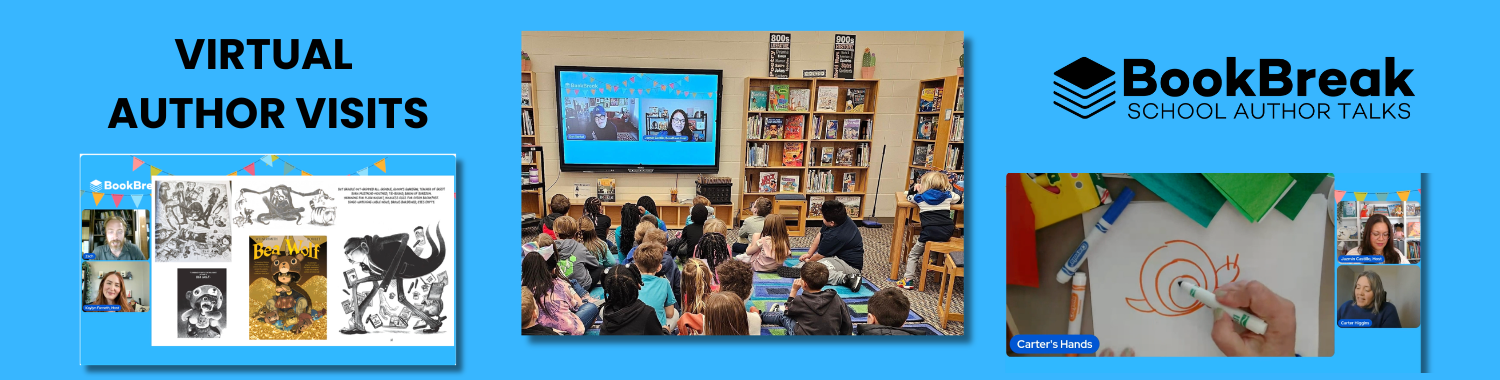
- BookBreak: This subscription stands out by offering a massive variety of genres and formats. Unlike programs that focus on a single type of content, BookBreak provides the broad choice necessary to hook every type of reader. By connecting students directly with creators of everything from graphic novels to thrillers, the program ensures reading feels like a personal choice rather than a chore.
Summary Table: Why Variety Matters
| Student Type | The Hook | Impact of Variety |
| Visual Learners | Graphic Novels | Students who read graphic novels are twice as likely to report high reading enjoyment. |
| Fact-Finders | Narrative Nonfiction | Turns complex data into a compelling and memorable story. |
| Escapists | Fantasy/Sci-Fi | Builds reading stamina and imaginative empathy. |
| Relatability Seekers | Realistic Fiction | Validates lived experiences, which link to higher classroom belonging. |
Key Takeaways
- Interest precedes skill: Students are more likely to tackle difficult text if the topic is personally relevant to their hobbies or lives.
- Format is a tool: Graphic novels and narrative nonfiction are valid entry points for building reading stamina in students who feel overwhelmed by traditional prose.
- Variety reduces friction: A diverse program ensures every student finds a specific genre that matches their unique learning style.
FAQs
Q: How do I justify a new reading program to district leaders?
A: Focus on engagement. If students do not read, they do not grow. A program, like BookBreak, that provides genuine choice and variety is an affordable way to complement core instruction with popular content that meets diverse needs.
Q: Can graphic novels really count as reading for older students?
A: Yes. Neurological research suggests the brain processes text and images simultaneously. This builds sophisticated multimodal literacy skills required in the modern workforce.
Stay Tuned…