In a world where short-form videos and immersive digital worlds compete for a student’s attention, the dopamine hits from social media and gaming often make the steady pace of a book feel secondary. Recent APA data highlights this scale, showing U.S. teens spend an average of 4.8 hours daily on platforms like TikTok and YouTube. For a book to capture interest today, it must offer the same compelling storytelling, community, and world-building that draw students to these digital spaces.
While platforms like Beanstack and Epic! improve consistency through gamification and accessibility, they primarily serve as administrative tools for tracking metrics. These platforms often lack the interactive depth required for sustained cognitive engagement. To bridge this gap, educators are moving toward tools that prioritize active learning over passive consumption, fostering the curiosity and participation that define true K-12 student engagement.
Literacy Platforms
The following table highlights how different platforms approach student literacy and where they focus their energy:
| Platform | Primary Focus | Key Feature | Level of Human Interaction |
| Beanstack | Tracking | Reading logs and badges | Low (Solo task) |
| Epic! | Library Access | Vast digital book catalog | Low (Self-guided) |
| Accelerated Reader | Comprehension | Quizzes and points | Low (Assessment-based) |
| Newsela | Literacy via News | Current events articles | Medium (Class discussion) |
| CommonLit | Curriculum Support | Guided reading lessons | Medium (Teacher-led) |
| BookBreak | Experience | Live author streams | High (Direct connection, class discussions before and after event, cross curriculum material) |
Redefining the Reading Experience
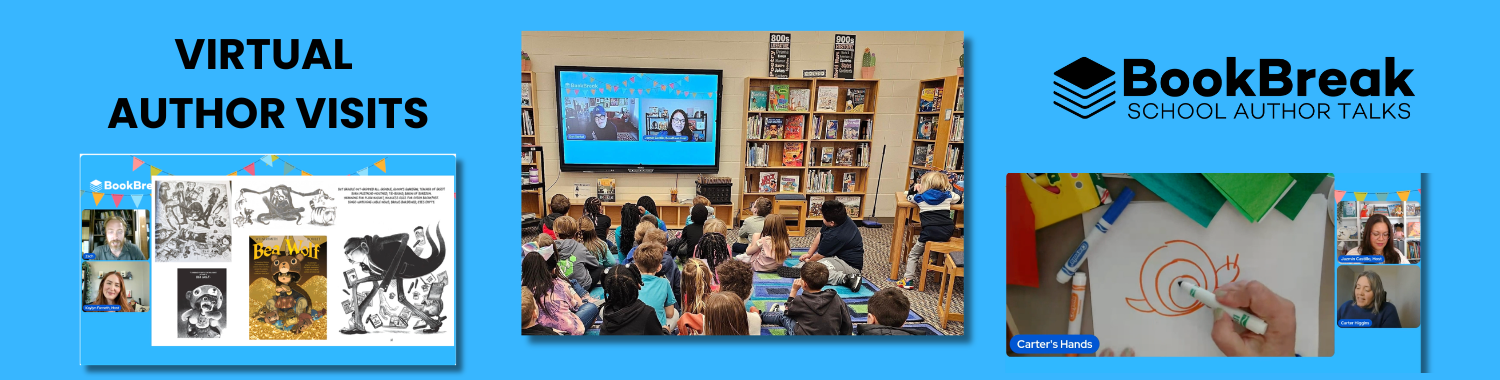
At BookBreak, we’re moving from tracking reading to experiencing it. Research shows students who engage with authors are twice as likely to read above grade level, with nearly 60% reporting higher enjoyment in their free time.
Relatable Literacy connects static text and creator culture. Our BookBreak subscription treats books like a live stream. The author talks are interactive, high-energy, and social. According to research on student performance, by replacing passive reading with active engagement (like live Q&As, discussion guides for before or after), we can boost knowledge retention.
Frequently Asked Questions
Q: How do we compete with the instant gratification of digital entertainment?
A: Focus on human connection. Programs that offer live interaction and behind-the-scenes access to authors provide a unique value that a standalone app cannot replicate.
Q: Is digital reading as effective as print for gaming-focused students?
A: Variety is essential. A healthy reading culture uses a mix of physical books for deep focus and digital programs for engagement and variety.
Stay Tuned…