In an increasingly distracted world, BookBreak pushes back against short-form content to help students build reading stamina. As reading scores drop, educators are rapidly searching for ways to combat distraction and find engagement solutions that work.
The truth is, reading stamina isn’t just about reading longer; it’s about building the internal motivation and personal connection that makes students want to persist. Research by reading expert John Guthrie emphasizes that stamina is fundamentally tied to intrinsic motivation. Students who read for reasons like curiosity, challenge, or social connection are the ones who read longer, read deeper, and don’t give up.
5 Ways BookBreak Supports Reading Stamina
Students who read for external reasons (e.g., grades, rewards) do not read as often or engage with the material as profoundly as students who read for internal motivation. (Guthrie, et al., 2012). We are here to help shift students from reading for extrinsic reasons to reading for passion. How can educators inspire that genuine, long-term reading stamina for students?
BookBreak provides the meaningful solutions you need to nurture students’ intrinsic motivation.
Here are five powerful ways we support the development of reading stamina:
1. Establish collaborative reading experiences
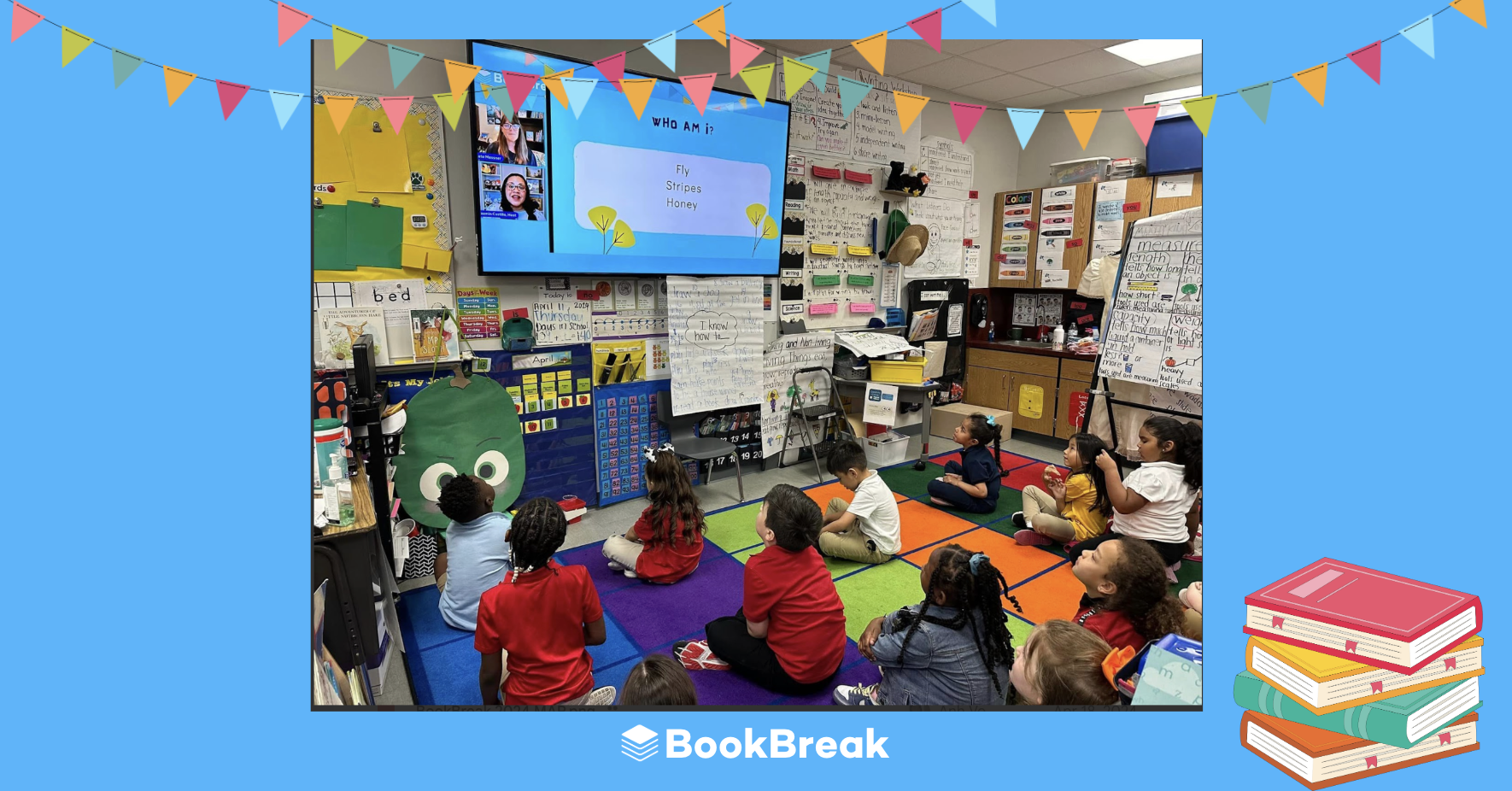
Reading stamina thrives in a social environment. When students know they will be discussing the book with peers, it becomes a powerful external driver for sustained effort.
BookBreak offers a collaborative reading experience for K-12 students during class time, turning a sometimes isolating task into a positive, shared activity.
BookBreak offers a range of targeted activities to deepen this learning and align with academic standards, including immersive author-in-residence experiences, the “Would You Read It?” series that encourages critical thinking about book choices, and dynamic pre- and post-talk activities. By facilitating these personal connections, we help educators connect the text to classroom experiences, which reinforces concepts and increases retention. This successfully shifts the task from a chore to a passion, building genuine, long-term stamina.
2. Boost self-confidence
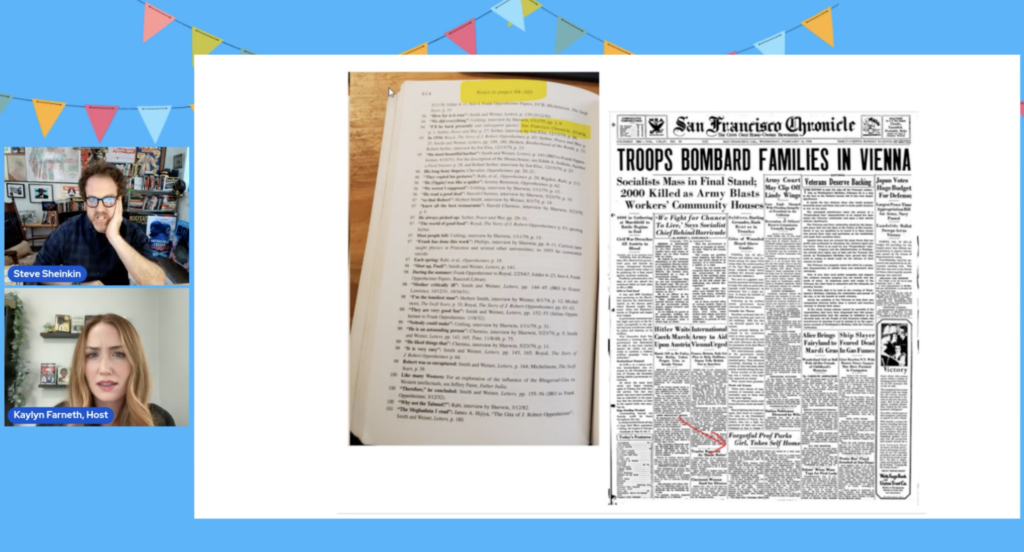
Constantly pushing students to read books above their level can quickly take the joy out of reading. Sometimes, building stamina means allowing students to read below grade level to build confidence and remind them that reading is supposed to be enjoyable.
This is especially critical for reluctant readers, particularly in Middle School and older, who can be self-conscious about their reading struggles. When students hear authors talk about their own struggles with reading and writing, they see themselves in that journey and understand that it’s okay to need more work reading.
BookBreak’s real-life experiences help to remove emotional barriers, fostering a sense that difficulty is normal, not a sign of failure.
To offer a supportive, discreet pathway for skill-building, educators can make use of the BookBreak watch codes we have for more independent work. This allows the student to engage with the inspirational author content privately and on their own terms. Confidence, reinforced by a positive role model and independent progress, is foundational to lasting stamina. When reading is less of a chore, persistence comes naturally.
3. Foster curiosity with the story behind the story
Educators are well aware of the power of curiosity, as it is often the first pillar of the learning process through asking questions. Research from Professor Elizabeth Bonawitz found that curiosity, especially for students, activates attention, memory, and motivation, which creates an environment for deeper understanding. Bookbreak harnesses this power, creating an intrinsic push where students are motivated to learn more and fully immerse themselves into the text.
To increase engagement with new reading material, share background information about the book to provide students with context. By offering small, enticing teasers, such as fun facts about the author, you can prime students’ curiosity. George Loewenstein’s Information Gap Theory (p.3) explains that when students have a question or “hook” before they start reading, they are more interested and less likely to quit. This approach leverages the human need to resolve unanswered questions, thereby driving students into the author’s talk and book.
Students can dive even deeper into stories with direct access to authors. When an author shares the story behind the story like the inspiration, the research, or the challenges, it ignites curiosity. That intrinsic interest acts like fuel, powering students through the texts they might otherwise drop. By offering insider information about the authors and the reading, students are encouraged to inquire and think critically, which helps boost reading stamina.
To build excitement for upcoming content, BookBreak provides pre-reading activities and trailer previews.
4. Provide positive role models
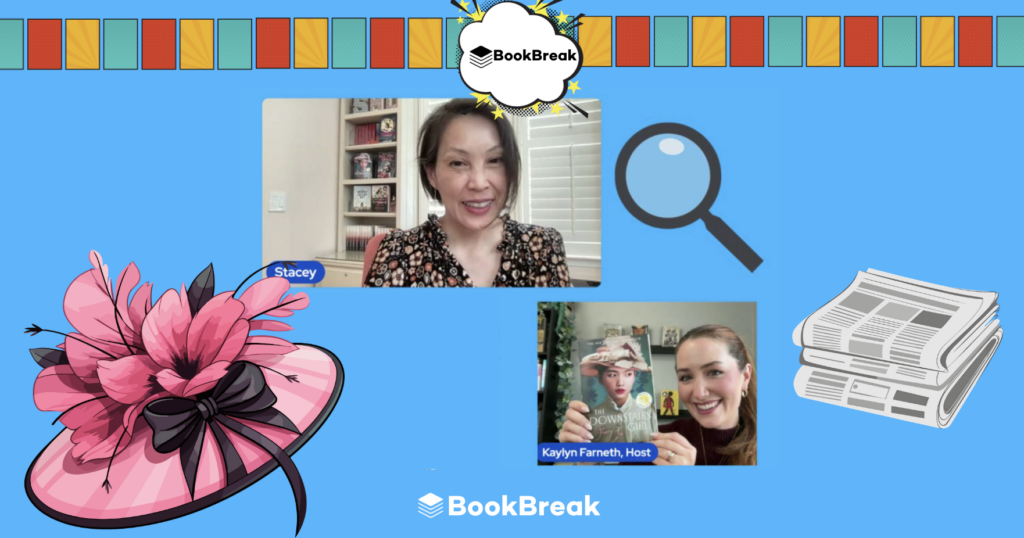
Authors are respected, influential figures outside of teachers and parents. They bring a level of freshness and expertise that can resonate differently with students.
When students see the person who created the story, a successful writer, it validates the pursuit of reading and writing. Not only that, but authors’ personal stories matter to students because they offer a crucial, relatable perspective.
For instance, when an author like Jason Reynolds shares his honest experience about not being a reader and how school was difficult, these conversations help students feel immediately understood. This dispels the myth that reading and writing should be easy. Instead, it fosters a growth mindset to help students understand that developing literacy takes time and that because it is hard now does not mean it will be hard forever. Once students find what resonates with them, whether a style of writing, an author, or a subject matter, they can see the potential to master reading and writing and even pursue a related career path. This is key to building stamina, as students are motivated by aspiration, not only obligation.
BookBreak builds a connection with accessible authors to shift the perception of reading from an academic task to a creative, successful career path.
5. Prioritize intentional screen time

In the battle against distractedness, BookBreak provides intentional screen time that works for learning, not against it. We recognize that competing for student attention against the “brain rot” of current social media is challenging. That is why our team of educators created content for educators designed to rival the engagement students give to digital platforms.
Each author talk is approximately 15 minutes for elementary students, and around 30 minutes for older students in middle and high school. This provides an effective window to maximize focus and enthusiasm without causing burnout. These author talks are built to fit seamlessly into your current curriculum, helping educators build students’ vocabulary, comprehension, and written expression.
This focused, inspirational interaction with authors empowers students to enjoy reading and writing while deepening their comprehension.
BookBreak encourages educators to use intentional screen time as a powerful tool to inspire literacy, not compete with it.
BookBreak Fuels Intrinsic Motivation for Reading and Writing
BookBreak fuels intrinsic motivation for reading and writing by inspiring students to want to read and write, especially outside of the classroom.
Building reading stamina requires fostering curiosity, social connection, and confidence, which are all powered by intrinsic motivation. BookBreak is the tool that efficiently delivers engagement, motivation, and inspiration. We help educators inspire students to truly connect with reading, turning screen time into a high-impact learning opportunity that builds lifelong reading habits.
“These moments have become magical. We feel like we are sitting down for a cozy chat to learn what makes these creators create, and we come away inspired to read more and to create more ourselves.” – [Fran Woodruff, MLIS], [Edgewood Elementary School]
Watch some of our recent author talk clips to see how BookBreak can help fuel intrinsic motivation for increased reading stamina.
Stay Tuned…
References
Guthrie, J. T., Wigfield, A., & You, W. (2012). Instructional contexts for engagement and motivation in reading. In J. T. Guthrie, A. Wigfield, & S. L. Klauda (Eds.), Adolescents’ engagement in academic literacy (pp. 56-64). University of Maryland.
Golman, R., & Loewenstein, G. (2016). An information-gap theory of feelings about uncertainty. Carnegie Mellon University, Department of Social and Decision Sciences.https://www.cmu.edu/dietrich/sds/docs/golman/Information-Gap%20Theory%202016.pdf