Middle school is a pivotal season for literacy. Data from the 2024 National Assessment of Educational Progress (NAEP) indicates that only 31% of eighth graders performed at or above the proficient level in reading, a metric that has seen little growth in recent years. Even the Scholastic Kids and Family Reading Report highlights a sharp decline in reading for fun as children age, dropping from 70% among elementary students to just 46% among those aged 12 to 17.
To reverse these trends, a shift from traditional instruction toward methods that emphasize social connection and real-world application is needed. Research suggests that when students perceive reading as a social act rather than a solitary task, their motivation to engage with complex texts increases significantly.
Strategies for Authentic Engagement
1. Curate Diverse Text Sets
Middle schoolers crave representation and relevance. Providing a variety of formats from graphic novels, verse novels, and long-form journalism. This allows students to find entry points into reading for pleasure that match their personal identities.
2. Prioritize Collaborative Writing
Writing is often taught as an individual assignment or task, but middle school students are biologically wired for peer interaction. Implementing collaborative blogging or shared digital storytelling can transform writing into a communal experience.
3. Incorporate Expert Perspective
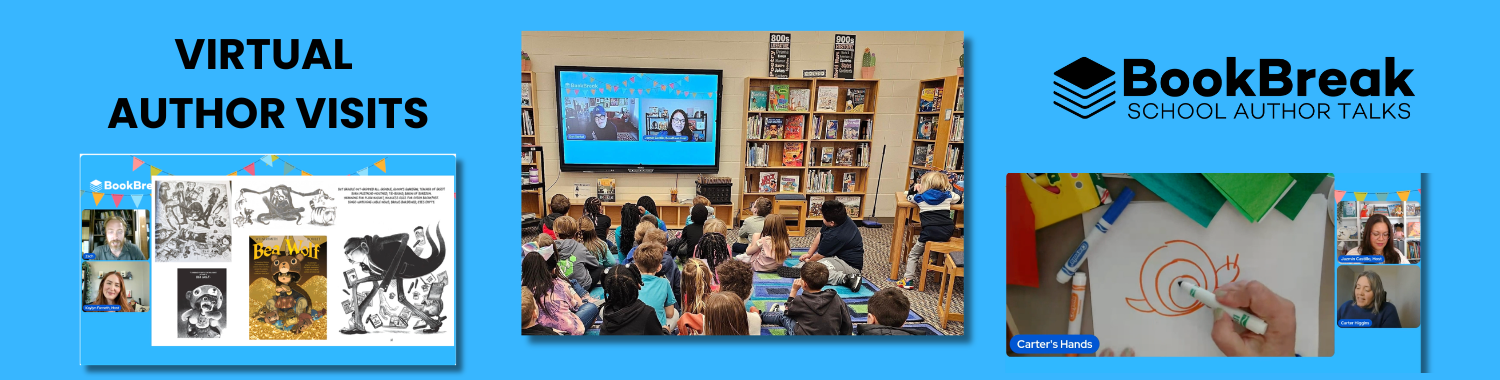
Connecting classrooms with professional creators demystifies the writing process. Several organizations offer solutions to bring these professionals to your students:
- Skype a Scientist: While focused on STEM, this program excels at humanizing experts. However, it lacks a dedicated focus on ELA and narrative craft.
- The Authors Village: This provides high-quality, personalized visits with renowned creators. These are excellent for deep dives but can be cost-prohibitive for schools with limited budgets.
- Scholastic Book Fairs: These events excel at building excitement around physical books. While they offer great community engagement, they do not always provide direct interaction with the creators themselves or a focus on writing.
- BookBreak: This offers a middle ground by providing a consistent program of live, digital sessions with diverse creators where they share their writing process. The focus is on making these sessions accessible and regular, ensuring literacy remains a year-long celebration rather than a one-time event.
Key Takeaways
- Engagement is social: Use peer-led discussions to foster a sense of community around books.
- Consistency matters: One-off events are less effective than a recurring program of literacy exposure.
- Humanize the process: Showing students that professional writing involves struggle and revision helps them adopt a growth mindset.
FAQs
Q: How can I help students who are resistant to traditional reading?
A: Focus on the individual first and the tool second. Identify their personal interests (sports, gaming, or art) and provide books in those niches. Once interest is sparked, use a program like BookBreak to show them the real person behind the stories.
Q: Are virtual visits as effective as in-person events?
A: Effectiveness depends on interaction. Prioritize programs like BookBreak that allow for live Q&A sessions. This ensures students feel heard and seen, which is a primary driver of middle school engagement.
Stay Tuned…