Culturally Responsive Teaching is an approach that moves beyond simply adding diverse books to a shelf. Studies, by the influential Dr. Rudine Sims Bishop, show that it transforms the act of reading into a mirror of the self and a window into the world by wiring it directly into how students actually learn.
Integrating Culturally Responsive Teaching with literacy is the practice of using the diverse backgrounds, languages, and lived experiences of students as a bridge to academic achievement. This is more than a pedagogical preference because it is a neurological necessity. According to researcher Zaretta Hammond in her work on culturally responsive teaching and the brain, the human brain uses cultural schemas to make sense of new information. When educators use the culture of a student as a hook, they minimize the amygdala hijack. This is a stress response that blocks learning. By avoiding this hijack, the brain can focus entirely on comprehension.
Analyzing Culturally Responsive Literacy Tools
The following table compares common methods used by educators to improve reading engagement:
| Support Category | Resource Name | Strength for Educators | Potential Limitation |
| Leveled News | Newsela | Provides high-interest articles that reflect current global events. | Focuses on informational text, which may lack the emotional depth of fiction. |
| Digital Library | Epic! | Offers a massive, accessible digital library for younger readers. | Difficult to curate high-quality author discussions for older students. |
| Direct Access | School or Classroom Libraries | Provides immediate, tactile access to physical books in class. | Collections can become outdated and lack the excitement of a live event. |
| Author Connection | BookBreak | Connects students directly with diverse authors through live events. | Works best as a supplement to an existing physical book collection. |
Cultivating Culturally Responsive Literacy
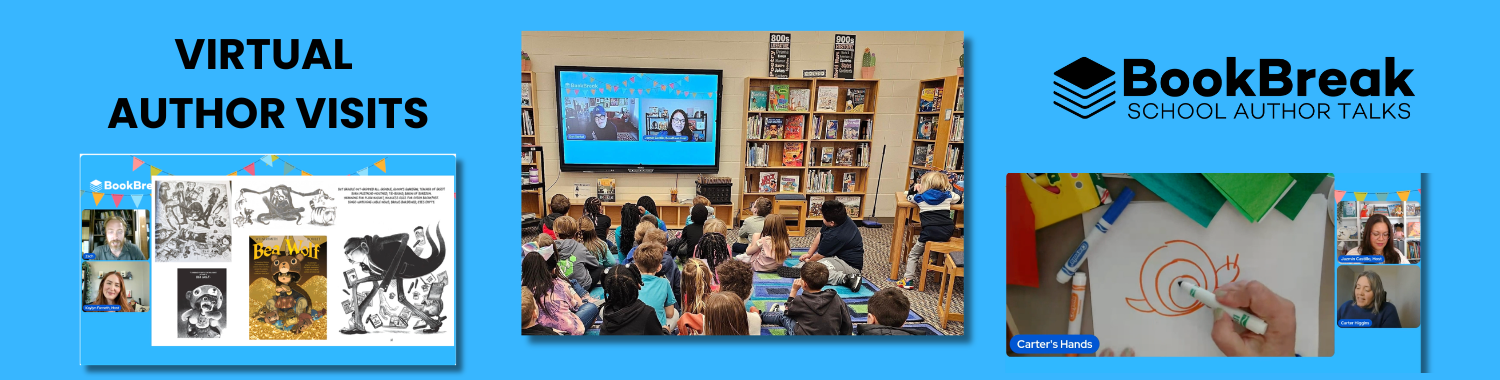
When exploring how to integrate Culturally Responsive Teaching, the most effective strategies often center on building a personal connection to the storyteller. While libraries provide the materials, a program like BookBreak can provide the inspiration. By facilitating live conversations between students and creators through a simple subscription, educators can transform a standard reading requirement into a shared cultural event. This is one way to ensure every student feels seen and inspired to pick up their next book.
Frequently Asked Questions
Q: Does Culturally Responsive Teaching mean we stop reading the classics?
A: No. Studies by the NYU Steinhardt Metro Center demonstrate that integrating diverse perspectives alongside traditional texts actually increases student engagement and academic rigor rather than diminishing it. By maintaining high expectations through complex texts while adding critical cultural context, educators ensure that the classics remain relevant tools for developing intellectual capacity.
Q: How do I choose the right diverse texts?
A: Prioritize representation over simple content. Students engage more deeply when they see their own family structures and traditions treated with respect.
Q: How does hearing from authors improve literacy?
A: Connecting a face to the written word demystifies the creative process. It makes literacy feel attainable rather than abstract for all learners.
Stay Tuned…