The first ten minutes of a book introduction often determine whether a student will commit to the final chapter or disengage by page ten. For many educators, the challenge isn’t just handing out a text, but sparking a genuine desire to explore it. To do this effectively, we must move beyond the standard book talk and focus on building an emotional bridge between the reader and the narrative.
Recent research into Schema Activation suggests that student interest is highest when we trigger existing knowledge and personal experiences before the first sentence is read. When students can anchor a new story to something they already value, the text feels less like an academic requirement and more like a personal discovery.
Why Traditional Introductions Can Fall Flat
Even with the best intentions, some methods of introducing a book fail to capture attention. Here are some reasons why:
- The Spoiler Trap: Over-summarizing the plot can remove the mystery, leaving students with no questions to answer as they read.
- Abstract Context: Explaining historical or cultural settings without a modern hook can make the story feel irrelevant to a student’s daily life.
- Passive Receiving: Simply telling students why a book is important doesn’t allow for agency, which is the ability for a student to exercise choice and take ownership over their learning journey.
- The Fluency Barrier: For a struggling reader, the physical sight of a dense book can trigger anxiety before they even know what the story is about.
Benchmarking Engagement Strategies
Several programs offer unique ways to launch a new text. Understanding their strengths helps you choose the best spark for your classroom.
| Tool | Best For | Engagement Limitation |
| Newsela | Building topical background knowledge | Focuses on non-fiction articles rather than the narrative voice |
| Epic! | Immediate digital access to diverse titles | Primary focus on younger readers; less high-school alignment |
| Reading Counts | Post-reading accountability and assessment | Does not provide the excitement or social connection before the activity |
| BookBreak | Pre-reading hooks via author interaction | Best for schools seeking a sustained, year-long strategy |
While informational tools are great for building context, they often miss the human pulse behind a book. To get students truly excited, we must introduce the creator as much as the content.
Bringing Stories to Life through Author Connections
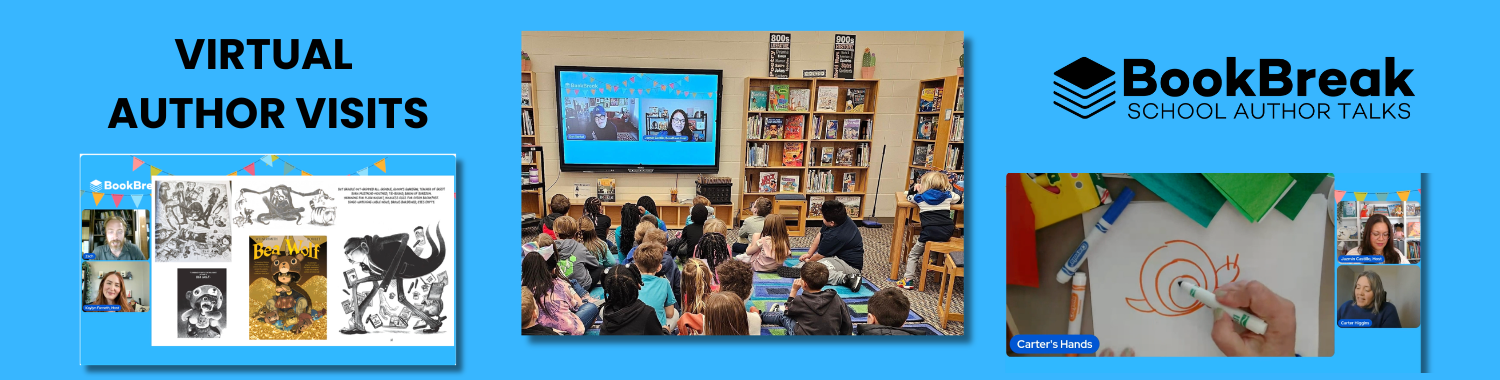
A BookBreak subscription provides the ultimate hook by bringing the author’s personality and passion into the room. This program allows students to meet the writers behind their upcoming reads through live and recorded virtual visits. When a student hears an author describe the real-life mystery or the personal emotion that inspired the book, the text is no longer just paper but a shared secret. By connecting with the author, you turn the act of reading into a direct connection with an inspiring mentor.
FAQ: Sparking Book Excitement
Q: How do I get my most reluctant readers interested in a new book?
A: The most effective strategy is to use the principle of Multi-Sensory Priming. Before opening the book, show a video, play a soundscape, or host a live discussion that touches on the book’s central conflict. The BookBreak program supports this by allowing students to see and hear the author first. When students have a face and a voice to associate with the text, the barrier of boring reading disappears.
Q: What is the best way to use choice with book that is part of the curriculum?
A: You can maintain autonomy even with a required text by giving students choice in how they enter the story. Allow them to choose which themes to focus on or which character’s perspective to track. A BookBreak subscription enhances this by letting students ask authors their own questions, giving them a sense of control and participation in the narrative process from day one.
Q: Can meeting an author really change a student’s attitude toward a book?
A: Yes. According to the principle of Social Presence, students are more likely to engage with a task if they feel a personal connection to the source. A struggling reader who sees an author talk about their own difficulties with writing suddenly feels more capable. The interactive nature of BookBreak’s programs bridges this gap. Live visits make the author a relatable figure and the book an exciting destination.
Stay Tuned…