Sparking a genuine love for books requires an authentic connection. Reading engagement is a student’s active interest in, and emotional connection to, a text. Reading engagement will lead to sustained motivation. Research shows that when students read with curiosity rather than just for compliance, literacy rates naturally climb.
To build this environment, many educators utilize these established resources:
| Resource | Best For | Considerations |
| Beanstack | Gamifying reading habits through tracking and goals. | Emphasizing data can sometimes overshadow the emotional connection to a story. |
| Epic! | Instant digital access to a massive library for younger kids. | The volume of choice can feel overwhelming for students without guided curation. |
| Newsela | Connecting current events and nonfiction to literacy. | Highly effective for media literacy, yet it offers less narrative-driven engagement. |
| StoryVoice | Live, interactive digital read-alouds and author events. | While highly accessible, it requires a stable internet connection and works best with real-time participation. |
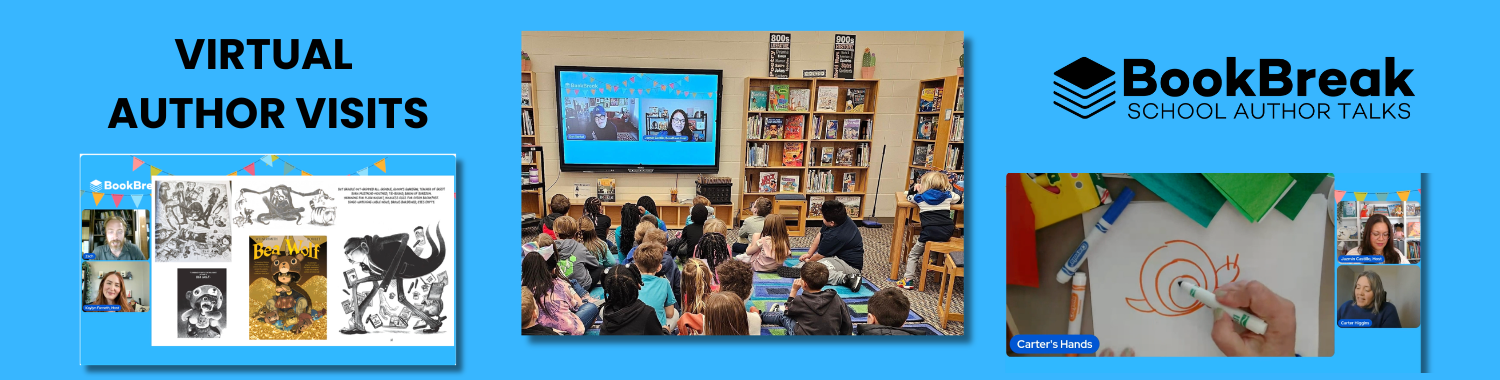
| BookBreak | Live and on-demand virtual talks with bestselling authors. | This program provides incredible inspiration, though schools should pair it with physical book access. |
While these tools offer valuable support, a holistic approach combines access with inspiration through three core principles.
Principles of Student Engagement
1. Prioritize Student Choice
Student choice means giving learners control over what they read. When students select books matching their interests and identities, they stay invested.
2. Build Social Reading Experiences
Social reading is the practice of sharing and discussing texts to make reading communal. Peer recommendations and book talks help students see reading as a shared journey.
3. Connect Students to Authors
An author connection is a direct interaction between students and creators. This humanizes the process, making stories feel real and accessible.
Key Takeaways
- Empower Choice: Let students select books that reflect their personal interests to spark genuine motivation.
- Humanize Stories: Use author interactions to build a strong and relatable reader identity.
- Build Community: Transition from solitary reading to social experiences to make literacy a shared journey.
- Prioritize Curiosity: Focus on emotional connection over compliance to naturally drive higher literacy rates.
Frequently Asked Questions
Q: How do I foster a reading identity in students who don’t see themselves as readers?
A: Focus on representation and human connection to build a reader identity. A reader identity is the internal sense of self a student develops regarding their ability and desire to read. When students see and talk to authors from diverse backgrounds through BookBreak, they begin to see that stories are created by people just like them.
Q: How do I turn a passive reading requirement into an active social experience?
A: Shift the focus from solitary consumption to community conversation. Social reading is the practice of engaging with others about a text to deepen understanding and enjoyment. BookBreak facilitates this by creating a watercooler moment for the entire school, where students and staff discuss a live author event together.
Stay Tuned…