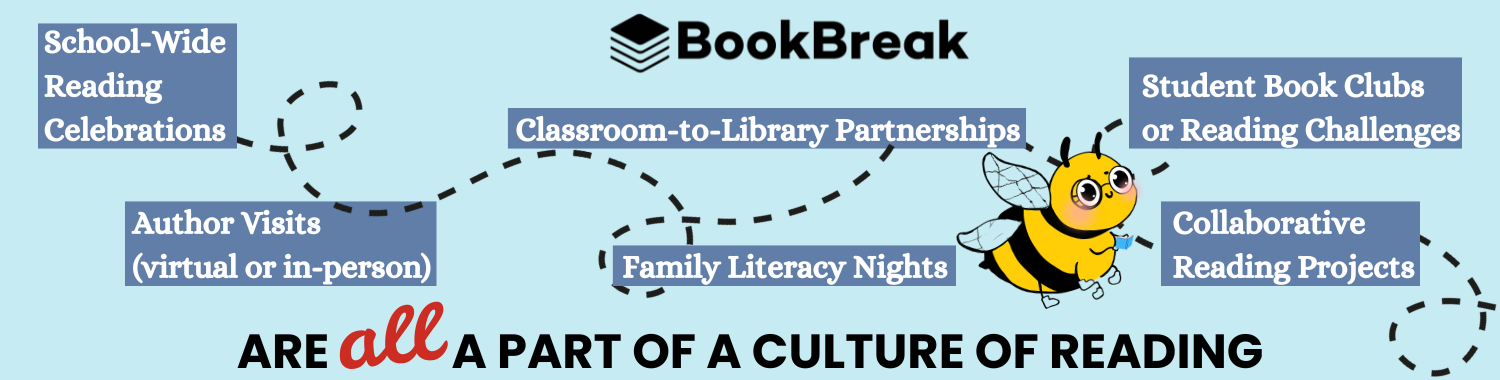
Creating a strong Culture of Reading in a school community takes more than enthusiastic teachers and a well-stocked library. It requires leadership support, shared vision, and a commitment from the entire school community. While educators often spark literacy initiatives, administrators play a major role in helping those ideas grow into long-term, schoolwide success.
Administrators care deeply about student outcomes, engagement, and school climate because those areas directly impact the success of the school. A strong Culture of Reading supports academic achievement, student motivation, cross-curricular learning, and even a positive school identity. A 2026 study published in the International Journal of Educational Research examined the direct link between a school’s reading culture and students’ critical reading self-efficacy for grades 5-8. The study found that an active, social reading culture provides the repeated practice and positive feedback needed to build students’ confidence, which directly impacts student achievement.
Reading initiatives also align naturally with district literacy goals, school improvement plans, and broader student achievement targets. When schools prioritize reading, they create environments where students are more likely to feel connected, curious, and confident as learners. Most importantly, creating a Culture of Reading should not be viewed as just another classroom initiative. It can become a leadership initiative that shapes the entire school experience.
Connect a Culture of Reading to School Goals
One of the best ways to gain support from your admin is to clearly connect reading culture to existing school goals. School leaders are constantly balancing priorities, so literacy initiatives are more likely to gain traction when they directly support outcomes administrators are already working on.
Research consistently shows that engaged readers experience stronger academic success and long-term literacy development. According to the International Literacy Association, students who are engaged in reading demonstrate stronger comprehension, increased motivation, and improved achievement across content areas. Reading regularly also helps students build critical thinking skills that support learning far beyond Language Arts and English classrooms.
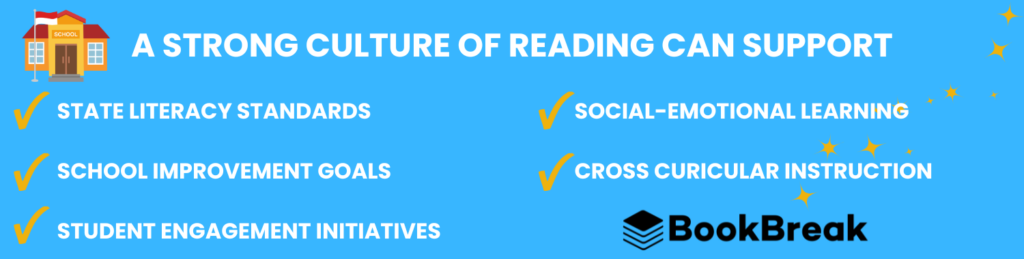
When educators frame reading culture as a schoolwide strategy instead of an isolated literacy activity, administrators are more likely to see its long-term value.
Show the Impact of Student Motivation
Administrators are often most persuaded to give support to ideas when they can actually see positive things happening in classrooms and hallways. Increased student engagement is one of the clearest indicators that a reading initiative is working.
When students hear directly from authors, they often become more invested in reading. They read more books, ask deeper questions, and begin to see themselves as readers and writers. These experiences can have a powerful impact across all grade levels, from elementary students discovering a love of stories to middle and high school students connecting with authors who reflect their experiences and interests.
Schools can highlight:
- Student testimonials about favorite books or author experiences
- Increased library circulation
- Classroom discussions sparked by reading events
- Writing samples inspired by author visits or literacy projects
According to the Scholastic Kids & Family Reading Report, students are more likely to read frequently when they have access to books they enjoy and opportunities to personally connect with reading. Those authentic experiences help students build reading habits that last beyond the classroom.
Most importantly, administrators will be able to observe the difference. They will see students talking about books, recommending titles to friends, and participating more actively in literacy events throughout the school.
Present a Culture of Reading as a Community Builder
A Culture of Reading does more than improve literacy skills. It also strengthens school climate and creates meaningful connections between students, teachers, librarians, and families.
Reading naturally creates shared experiences. When an entire school community participates in literacy events, discussions, or author visits, books become part of the larger school conversation. That sense of connection helps students feel like they belong in a community that values learning and storytelling.
Creating excitement around books will simultaneously build stronger relationships within the school community. Research from School Community Journal emphasizes that when schools shift from just “giving information” to creating active, shared reading experiences with families, it builds a powerful sense of agency and deepens the bond between the school and the home community. Reading becomes visible, celebrated, and woven into the everyday happenings of school life.
Offer Administrators a Practical Solution
Even the best ideas can lose momentum if they feel difficult to implement. Administrators often need to know that a new initiative will be sustainable, manageable, and realistic for teachers. BookBreak has put together a full, comprehensive platform that removes many of the barriers schools face when trying to create engaging literacy experiences.
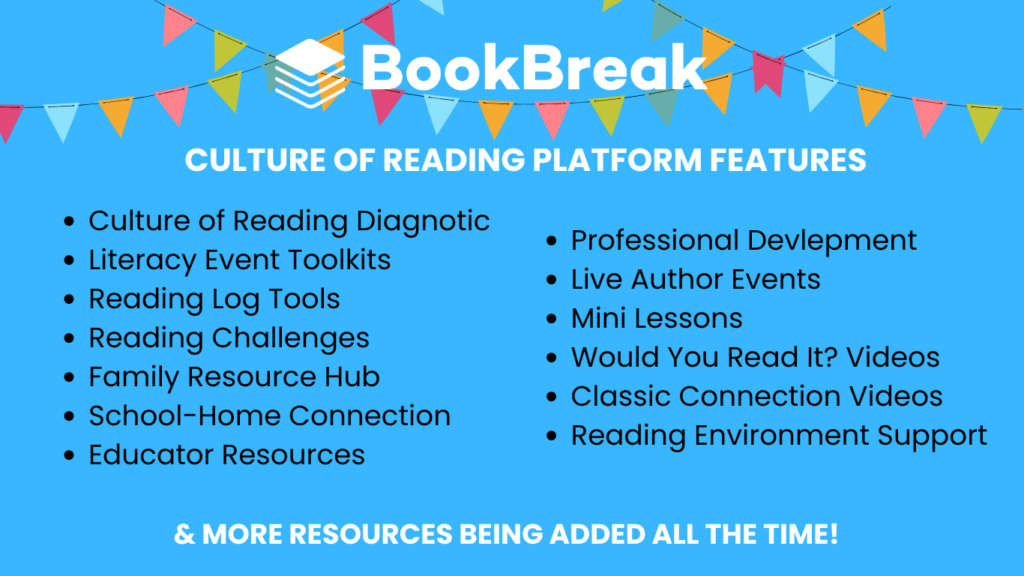
Instead of teachers or librarians spending hours coordinating author visits, hosting literacy nights, creating resources, and managing all the logistics, BookBreak handles all the heavy lifting. It is a flexible option that fits into existing literacy instruction and supports the school community across all grade levels.
The programs are already organized and prepared so schools can focus on student engagement instead of logistics. This makes it much easier for administrators to support literacy initiatives without overwhelming staff with additional planning responsibilities. As new programs and author experiences continue to be added, schools can continue to grow their Culture of Reading in sustainable ways throughout the year.
Make Your Ask Clear and Strategic
Sometimes educators already have strong ideas for building a Culture of Reading, but they struggle with how to present their ideas to administrators. A clear and strategic approach can make a big difference.
When meeting with administrators:
- Share a clear vision for a schoolwide Culture of Reading
- Explain how author experiences support literacy engagement
- Connect a Culture of Reading to school goals and student outcomes
- Demonstrate how BookBreak integrates with existing curriculum
- Highlight the ready-to-use resources and educator support provided
It can also help to show examples rather than simply describing them. Sharing clips from author talks or student reactions can help administrators visualize the impact on their own students. If administrators can clearly see how a program supports both teachers and students, and remains manageable to implement, they are much more likely to say yes.
Bring Your Vision of a Culture of Reading to Life
Building a Culture of Reading requires leadership, collaboration, and consistency. Educators often introduce the vision, but administrators help scale and sustain those ideas across an entire school community.
When school leaders actively support literacy initiatives, students benefit from richer experiences, stronger engagement, and more opportunities to connect with books in meaningful ways. BookBreak is here to make that process easier by providing engaging author experiences and ready-to-use resources that fit naturally into existing literacy programs.
A thriving Culture of Reading doesn’t happen by accident. It grows when educators and leaders work together to make reading visible, valued, and celebrated across the entire school community.
Check out our Culture of Reading page to learn more about what BookBreak offers and how to bring your Culture of Reading vision to life in your school.
Stay Tuned…