In the modern classroom, the roles of the educator and the librarian are rapidly evolving. With curricula becoming more demanding and digital distractions at an all-time high, the library is not just a room full of books; it is a laboratory for discovery. When librarians and teachers move from working in parallel to working in true partnership, the impact on student literacy is profound.
Data from the American Psychological Association (APA) suggests that today’s students are deeply influenced by peer-driven and algorithmic content. To compete, literacy initiatives must be collaborative and multifaceted. By combining a teacher’s knowledge of student needs with a librarian’s expertise in resource curation, schools can create a reading culture that feels relevant rather than required.
Collaborative literacy is the strategic partnership between classroom instructors and librarians to integrate diverse texts and research skills into every subject area.
Comparative Analysis: Collaborative Librarian-Teacher Partnership
The following comparison demonstrates how a collaborative partnership tool creates a more seamless and engaging experience for the learner:
| Platform | Core Strength | Primary Use Case | Target Audience |
| BookBreak | Author Connection | Monthly live/on-demand virtual author talks and curated lesson plans. | K-12 (Sparking curiosity) |
| TeachingBooks | Resource Curation | Massive database of book trailers, author interviews, and teaching guides. | K-12 (Deep-dive research) |
| Novel Effect | Immersive Reading | Soundscapes and music that play as you read aloud. | K-5 (Library/Classroom storytime) |
| Epic! | Digital Access | A vast digital library of instant access e-books and videos. | K-8 (Independent reading choice) |
Strategies for Impactful Partnerships
The most successful partnerships move beyond the occasional library visit. They involve deep integration where the librarian acts as a consultant and co-designer for classroom units. By weaving media specialists into the planning process, schools can leverage three core pillars:
- Co-Teaching & Curriculum Design: When librarians and teachers co-lead instruction, schools see up to a 25% improvement in reading scores (AASL). This partnership anchors high-level research skills directly within subject-area content.
- Relatable Text Sets for Differentiated Entry: Librarians diversify the learning experience by supplementing standard textbooks with graphic novels, memoirs, and fiction (especially picture books!). This creates multiple on-ramps for students, ensuring every reader finds a personal connection to the topic.
- Structured Choice: Providing curated reading options catalyzes student interest, making them 3x more likely to engage. This autonomy is a proven driver of literacy, increasing long-term reading stamina by nearly 40%.
Frequently Asked Questions
Q: How can we find time to collaborate with such busy schedules?
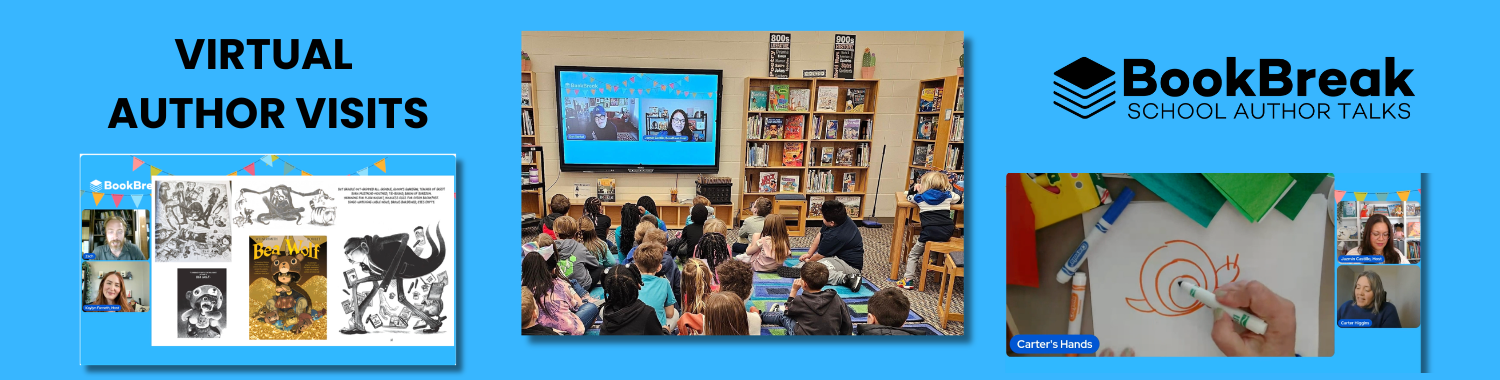
A: Start small. Instead of a full unit, begin with a 15-minute curation request or a co-led “Book Tasting.” Digital tools are also massive time-savers. For example, rather than a librarian spending hours prepping a guest speaker, they can schedule a BookBreak session that provides an exciting author interaction with zero travel logistics. This allows teachers to meet curriculum goals while the librarian handles the event side of literacy.
Q: What if the library collection doesn’t match the current curriculum?
A: This is where the partnership is most vital. Share lesson plans early so the librarian can acquire specific titles. In the interim, utilize digital subscriptions to fill the gaps. While services like Epic! are great for independent primary reading, or Junior Library Guild helps with physical curation, a partnership that utilizes BookBreak’s diverse author library ensures students feel connected to the theme they are studying, even if the physical book is still on backorder.
Q: How do we measure the success of a librarian-teacher partnership?
A: Success is often seen in increased library circulation rates, more frequent student-led discussions about books, and a higher level of confidence in students when navigating complex research databases.
Stay Tuned…