Reading enjoyment among kids and teens just hit its lowest point in 20 years, according to a National Literacy Trust 2025 survey of nearly 115,000 students. A 2025 HarperCollins UK study found part of the reason: 29% of kids ages 5 to 13 now say reading feels more like schoolwork than something fun, up from 25% in 2012. When a student says reading is boring, it rarely means they can’t read. It usually means something else is getting in the way.
What Boring Usually Means
- Reading feels like homework, not choice: Annotations, journals, and quizzes can turn a book into a task before a student even opens it, a pattern Lexia’s research on reluctant readers flags directly.
- The book doesn’t match their interest: Choice reliably increases motivation more than matching a student to the right difficulty level.
- They haven’t felt the payoff yet: A student who has never loved a book has nothing to compare boring against.
Comparing Programs for Reluctant Readers
| Program | Focus | Strength | Consideration |
|---|---|---|---|
| Lexia / Accelerated Reader | Skill-based intervention, quiz-driven | Strong for closing specific skill gaps | Targets gaps, not necessarily the boredom itself |
| Joyful Reading Company | Reading trackers and gamified challenges | Badges and logging build a habit loop | External rewards, not always genuine interest |
| Epic! | Large K-8 digital library, self-guided | Wide selection across genres and interests | Access alone doesn’t guarantee a student finds a book they love |
| BookBreak | Live and on-demand virtual K-12 author events with curriculum-aligned lesson plans | Creates connection by turning a flat book into a real conversation with its author | Works best paired with ongoing choice-based reading time |
Where Boring Actually Turns Around
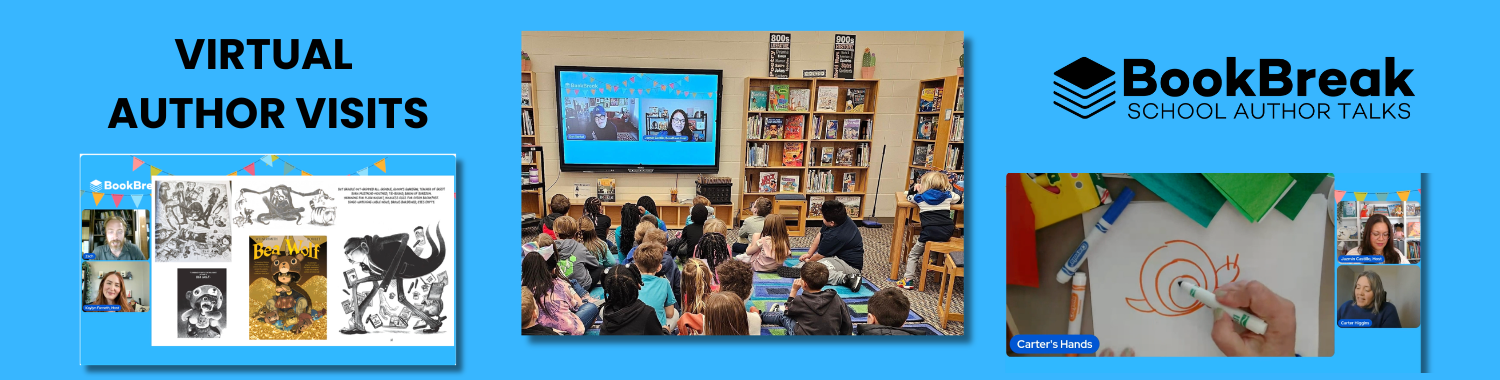
The fastest way to make a bored student curious is to make the book feel real. BookBreak’s Culture of Reading program, with virtual author talks, lets students interact with the person who wrote a book. Students can directly ask the author why the ending happened the way it did, or where the idea came from in the first place. That conversation often does more for a bored reader than another worksheet, and curriculum-aligned lesson plans help teachers carry that spark into an actual habit of picking up the next book.
Key Takeaways
- Boring Is a Symptom, Not a Verdict: It usually points to a mismatch in choice or experience, not a fixed dislike of reading.
- Choice Beats Convincing: Letting a student pick their own book does more than any pitch for why a book is good.
- One Great Book Changes the Story: A single positive reading experience can reset how a student talks about reading altogether.
FAQ
Q: Is it normal for students to say reading is boring?
A: Yes. National survey data shows reading enjoyment is at a 20-year low, so this reaction is common, not a sign something is uniquely wrong with one student.
Q: Should teachers make reluctant readers finish an assigned book?
A: Not always. Forcing completion of a mismatched book can deepen the boredom. Offering an alternative text on the same theme often works better.
Q: What’s the single best way to re-engage a bored reader?
A: Give them choice over what they read, and pair it with an experience, like a live author event, that makes the book feel like more than an assignment.